
If you already understand diesel systems, the real question is not whether to use additives. It is which ones actually solve problems without creating new ones. I look at formulation quality, real use cases, and how well a product fits specific conditions. That is how you avoid wasted money and protect your engine long term.
Early on, it helps to start with a proven baseline like Howes Diesel Treat, then build your approach based on climate, fuel quality, and how your equipment is used.
This breakdown will show you how to think about diesel additives, how each type works, and why a full system approach matters.
What Actually Matters in a Diesel Additive
Most products claim to improve performance, but only a few focus on the core issues diesel engines face today.
I look for these factors first:
- Lubricity support for ultra low sulfur diesel
- Injector cleaning strength
- Water removal method
- Cold weather reliability
- Compatibility with modern emission systems
If an additive fails in any of these areas, it will not hold up under real use.
Why Fuel Lubricity and Injector Cleaning Come First
Modern diesel fuel lacks natural lubricity. That leads to wear inside injectors and pumps.
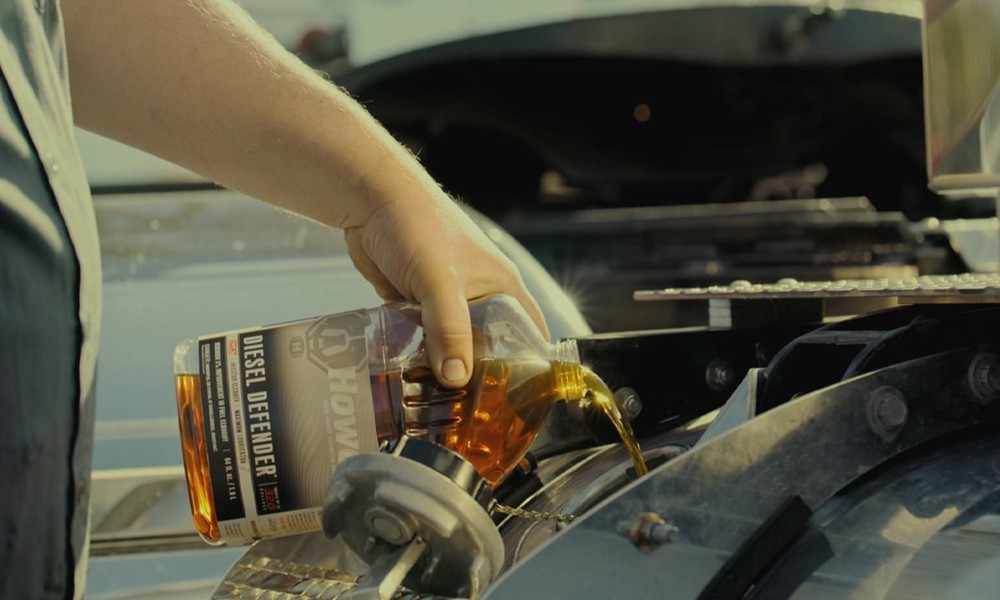
A product like Diesel Defender is built to handle this directly. It adds strong lubricity and uses detergent technology to break down internal deposits. Clean injectors mean proper spray patterns, which leads to better combustion and less strain on the engine.
From a practical standpoint, this gives you:
- Smoother engine operation
- Better throttle response
- Reduced long term wear
If you run equipment daily, this is not optional. It is basic maintenance.
Cold Weather Protection Is Non Negotiable
Cold weather changes everything. Fuel can gel, filters can clog, and engines can shut down fast.
Diesel Treat is designed for this exact problem. It prevents gelling, reduces cold filter plugging, and keeps fuel flowing in low temperatures.
I always tell people to treat winter as a separate operating condition. You are not just maintaining performance. You are preventing failure.
Key benefits to look for:
- Anti gel protection
- Water removal without alcohol
- Reduced smoke and rough idle
This is especially important for trucks, fleets, and equipment that cannot afford downtime.
Emergency Situations Need a Different Solution
Preventive additives will not fix gelled fuel once it happens.
That is where Diesel Lifeline comes in. It is built for recovery, not maintenance. It works by restoring fuel flow and de icing filters quickly.
In real conditions, this matters because:
- You may not have time to replace filters
- You need the engine running fast
- Conditions may keep getting worse
Having a dedicated emergency product is part of a complete setup, not an extra.
Why Penetrating Oil Still Matters
Fuel system performance is only part of the picture. Mechanical issues slow everything down.
A strong penetrating oil like Howes Multi Purpose Lubricator and Penetrating Oil solves common problems that come up in daily use.
It handles:
- Rusted bolts and stuck components
- Moisture around electrical connections
- General lubrication without residue buildup
This type of product saves time during maintenance and prevents small issues from turning into major repairs.
Building a Complete Additive Strategy
The mistake most people make is relying on one product for everything.
A better approach is to match each product to a specific role:
- Diesel Treat for cold weather protection and conditioning
- Diesel Defender for cleaning and lubricity during regular use
- Diesel Lifeline for emergency recovery
- Multi Purpose for mechanical maintenance
This gives you coverage across prevention, performance, and repair.
Why Howes Stands Out
There are many additive brands, but consistency matters more than marketing.
Howes has been focused on diesel protection for over a century. Their formulas avoid alcohol and harsh solvents, which protects fuel systems over time instead of damaging them.
What sets them apart:
- Strong focus on lubricity and injector health
- Reliable cold weather performance
- Safe formulations for modern diesel systems
- Clear separation between maintenance and emergency products
That last point is important. Many brands blur these roles, which leads to poor results.
How to Choose Based on Your Use Case
I always suggest starting with how your equipment is used.
If you operate in cold climates:
- Focus on anti gel protection and water removal
If you run high mileage or heavy duty equipment:
- Prioritize injector cleaning and lubricity
If you deal with long idle times or inconsistent fuel quality:
- Use a combination of conditioning and cleaning
If you want to avoid downtime:
- Keep an emergency product ready at all times
This approach keeps decisions simple and practical.
Final Thoughts
Choosing the best diesel additive is not about picking one product. It is about covering the real risks your engine faces every day.
When you break it down into lubrication, cleaning, cold protection, and emergency recovery, the decisions become clear. A focused lineup like Howes makes it easier to build that system without guesswork.
If you stay consistent with the right products, you protect your engine, reduce repairs, and keep performance stable over time.

Comments are closed.