
Author

Kevin Haile

Browsing

Precise Fuel Delivery

Fuel injection pumps have an important function in providing the correct quantity of fuel to an engine. In modern engines, fuel delivery must be controlled to ensure efficient combustion. The pump ensures sufficient pressure and flow for the injection system, so that the fuel is delivered to the injectors when required by the running condition of the engine.

Understanding how Injection Pumps Matter Modern Engine Guide systems operate is essential when working on today’s increasingly precise engines. Their ability to regulate fuel pressure, flow, and timing directly influences how effectively fuel reaches the combustion chamber. By considering the pump alongside injectors, electronic controls, sensors, and fuel lines during inspection, technicians can better identify the source of performance problems and ensure that repairs support reliable, efficient engine operation.

Better Engine Performance

The fuel injection pump’s role in providing smooth and consistent engine performance is important. If fuel is supplied with the right pressure at the right time, the combustion is more effective. This can help with consistent engine RPMs, quick acceleration and consistent output. If there are any issues with the pump, they could lead to a lack of performance, hesitation or engine start-up problems.

Improved Fuel Efficiency

One of the factors that affects fuel efficiency is the accuracy of the fuel supply into the combustion chamber. If the fuel injection pump is damaged or worn, it can supply excessive or insufficient fuel, which can impact the combustion process. The proper maintenance of your pump and other parts can help prevent unnecessary fuel consumption and promote more economical engine operation.

Supporting Proper Combustion

Fuel pressure, timing and atomization have a high impact on combustion quality. The injection pump is used in conjunction with the injectors to deliver fuel under conditions that are appropriate. In normal operation, fuel can be mixed with air more effectively, which enables the efficient combustion of the fuel and the prevention of performance issues caused by the incomplete combustion of the fuel.

Controlling Engine Emissions

Modern engines are built to ever more stringent emission standards. Proper fuel supply can regulate the combustion process and minimise emissions of specific pollutants. If the injection pump is faulty, it can cause fuel delivery disturbances and add to the smoke or emissions. Good inspection and maintenance can then help to improve engine cleanliness.

Assisting Technicians in troubleshooting

Fuel injection pumps are also relevant when diagnosing the engine. If you experience the symptoms listed below, you may have issues with the fuel system: Hard starting, loss of power, irregular idling, poor acceleration, and excessive fuel usage. Technicians can check the condition of the pump pressure, fuel flow, connections and other parts to determine the cause of the issue, instead of replacing unnecessary parts.

Preventing Expensive Repairs

The timely recognition of problems with the injection pumps can help avoid secondary damage to other engine or fuel-system parts. Routine checks and repairs might help to prevent a minor problem from turning into a significant mechanical problem. This can reduce the time and maintenance expense associated with repairs.

To support modern engine technology.

The higher the precision in the engines, the higher the fuel system precision. Accurate fuel delivery is essential for electronic controls, high-pressure injection systems and advanced engine management technology. Thus, technicians should be familiar with the interactions between injection pumps and the injectors, sensors, fuel lines, and electronic control systems.

Importance in Engine Repair

It is important because the fuel injection pump affects fuel delivery, combustion, performance, efficiency and emissions. They can directly affect the starting and running of an engine. The understanding of their purpose and the knowledge of common failure characteristics enable technicians to make more accurate diagnoses and more effective repairs. If it is done right and when it should be, it helps to ensure reliable engine operation and increased component life.

A timing belt controls essential engine movement during every driving condition. It keeps the crankshaft and camshaft working together with accurate mechanical timing. When timing belt problems develop the engine can gradually lose its power. Sometimes the loss feels small during normal driving conditions. But serious timing problems can create noticeable hesitation and poor acceleration. The engine may also struggle when climbing hills or carrying heavier loads. So understanding timing belt problems helps drivers recognize warning signs earlier. Now proper inspection can prevent minor timing concerns from becoming major engine damage. Regular maintenance also helps protect performance and improve overall driving reliability. Professional inspection from Auto Repair in Chesapeake, VA service can identify timing concerns early.

Incorrect Engine Timing Can Reduce Combustion Efficiency

A worn timing belt can gradually affect the engine timing sequence. The crankshaft and camshaft must rotate together within precise mechanical limits. When timing changes the valves may open at incorrect moments. This can prevent the engine from receiving an efficient air mixture. The combustion process then becomes weaker during normal engine operation. As a result the engine may produce less power during acceleration.

Sometimes the vehicle may feel unusually slow after pressing the accelerator. The engine can still run while delivering noticeably reduced performance. But incorrect timing can become worse as belt wear continues. Therefore early inspection can help restore proper engine operation before serious problems develop.

A Worn Belt Can Cause Timing Movement

A worn belt should never be ignored when performance changes suddenly. Regular maintenance allows technicians to examine belt condition before failure becomes possible. West Service Center can provide professional inspection when unusual engine performance becomes noticeable.

Damaged Timing Teeth Can Create Serious Performance Problems

Timing belts contain specially shaped teeth that maintain accurate mechanical movement. These teeth engage with engine components while the belt rotates continuously. Damaged teeth can cause the belt to slip during engine operation. A slipping belt can create significant changes in valve timing. The engine may then struggle to maintain smooth and efficient combustion. This problem can create rough running and reduced acceleration under load. Sometimes the engine may become difficult to start after timing changes. In severe situations the engine can stop operating completely without warning. Therefore unusual engine sounds deserve immediate professional attention and careful mechanical inspection. West Service Center can inspect the timing system and identify potential causes of reduced engine power.

Early Inspection Helps Protect Engine Power

A technician can check engine timing and inspect belt condition carefully. Related components should also receive attention because they influence belt operation. A damaged tensioner can create unnecessary belt movement and timing instability. A worn pulley can also place additional stress upon the timing system. Therefore replacing only a damaged belt may not always solve everything. Proper servicing examines the complete timing system before returning the vehicle. West Service Center helps drivers address timing concerns before they become more expensive engine problems.

Work-van graphics should remain understandable in the positions the vehicle occupies during a normal job. Test the artwork with cargo doors open, equipment nearby and the van viewed from each useful side. Decide which message must survive those interruptions before approving colours or decorative detail. A beautiful flat drawing is only the beginning of a usable design.

Use the van’s working positions as the design brief

A delivery at a customer’s property may leave one side of the van close to a wall. A trade call may keep the rear doors open while equipment is unloaded. A sliding door may move a large section of artwork away from the place where a designer first imagined it. These ordinary situations deserve attention because they determine which portions of the vehicle people can actually see.

Photograph the van during its usual routine while it is safely parked. Capture the closed vehicle, the loading arrangement and any accessory that partly obscures a panel. Note which side tends to face the public during a job, without assuming that every parking location will be the same. The collection is a practical briefing aid. It gives the designer concrete constraints that a standard vehicle outline may not fully communicate.

Include the people who load and drive the van. They can identify a door that stays open longer than expected, a ladder that occupies a prominent position or a panel that receives frequent contact from equipment. Those observations do not mean graphics should interfere with safe working procedures. They help the design respond to the way the vehicle already functions.

Decide whether the van represents the whole business or one part of it. A general company identity may be more durable than a long list of every current service. If the vehicle changes duties during the week, the main message should not become misleading on the days it carries a different load. Resolve that business choice before paying for detailed artwork, since it affects the space needed for the design.

Choose the message that survives interruption

Start with the smallest useful message: the business name, a clear description where needed and one sensible route for contact. That does not require squeezing everything onto every panel. It requires deciding what somebody should understand from each likely view. A fragment of a slogan and half a telephone number can be visually active while communicating very little.

Look at each side independently. If the rear doors are open, can a person still identify the business from another visible surface? If one side is blocked, does the remaining view make sense without it? The design should not depend on a viewer walking a complete circle around the vehicle. This is an editorial judgement about clarity, not a promise that any particular arrangement will generate enquiries.

Give important text room around hinges, handles and panel breaks. The installer and designer should determine how the artwork fits the actual vehicle, including any physical interruption that affects legibility. Avoid approving a design solely from a version in which hardware has disappeared. The van’s useful features will still be present when the wrap is installed, and the graphics should acknowledge them.

A contact detail also needs an owner. Confirm that the number, domain and company name are final, correctly spelled and appropriate for the life of the design. If a business rebrand or contact change is imminent, tell the designer early. A relatively small text decision can affect several panels and the cost of future revisions. The person approving the proof should be authorised to settle that information.

Be selective about secondary messages. A long service list can make the van difficult to understand from ordinary viewing positions. Decorative icons may be attractive without helping a customer identify what the company does. Review every element by asking what it contributes to the first clear impression. Removing something can be a deliberate design improvement, especially when the remaining information needs more space.

Proof the drawing at vehicle scale

The published offering for SRS Tints’ business vehicle wraps includes branded designs in Mississauga. When discussing a project of this kind, provide the working-position photographs alongside the artwork. Ask how the production proof will account for panel boundaries and hardware so that the final approval concerns this van rather than a generic illustration.

Review the proof at a size that makes the text and spacing meaningful. A small image on a phone can conceal an awkward gap or an overcomplicated cluster of information. Ask the designer how to evaluate the dimensions accurately, and check the spelling separately from the visual impression. A design can feel right at first glance while still containing a simple contact error.

Record which views and details have been approved. If more than one person comments, consolidate the changes into a single version rather than sending conflicting edits through different channels. Keep the vehicle identity, artwork revision and chosen finish together. This is useful for a one-van business and becomes more important if another vehicle joins later with a different body shape.

Discuss repairs, existing graphics and the vehicle’s surface condition before installation is scheduled. Tell the shop about known bodywork and ask which concerns must be resolved first. Do not expect the artwork approval to answer whether the surface is ready. The design and the vehicle preparation meet at production, but they need their own clear decisions.

For the last review, return to a working photograph with the cargo door open. Imagine the equipment in its normal place and read only what remains visible. If that view still gives someone a clear, accurate impression of the business, the artwork is ready for a more useful future than a perfect image in a design folder.

Car hoses perform quiet but essential work throughout every journey. They carry coolant and fluids through different parts of the vehicle. The rubber material must remain flexible during changing temperatures. But constant heat exposure gradually affects its strength and flexibility. Now older hoses can become hard and fragile without obvious warning. So, understanding this gradual change helps prevent sudden vehicle problems.

Heat Slowly Changes Rubber

Engine temperatures remain high during normal driving conditions. This constant heat repeatedly expands and contracts the hose material. Over time this thermal cycling changes the rubber structure. The surface slowly loses its original flexibility. Eventually small cracks may appear around stressed areas. For dependable service and maintenance support Auto Repair in Oak Grove, MO can help identify worn hoses before they lead to larger cooling system problems.

Chemical Exposure Weakens Hose Material

Engine hoses often contact coolant and other automotive fluids. These substances can gradually affect rubber compounds through long exposure. Poor quality fluids may accelerate this deterioration. Incorrect coolant mixtures can also create additional chemical stress. The outer surface may become dry and unusually firm. But internal deterioration can progress even when the outside looks acceptable. This hidden weakness may eventually cause sudden leakage during driving. Professional inspection can identify changes before serious failure occurs. Bird Automotive can examine suspicious hoses during routine vehicle maintenance.

Pressure and Vibration Add Mechanical Stress

Hoses experience pressure changes whenever the engine operates. They also move slightly because of engine vibration and temperature changes. This repeated movement places stress on aging rubber. Brittle material cannot absorb movement as effectively as fresh material. Cracks can therefore develop around bends and connection points. Clamps can create additional pressure on already weakened surfaces. Bird Automotive recommends checking older hoses when other maintenance work is performed.

Replacement Prevents Bigger Repair Problems

Replacing an aging hose can prevent several expensive mechanical problems. A damaged coolant hose may release coolant rapidly. This can cause overheating when coolant levels fall too low. Severe overheating may damage important engine components. Other fluid hoses can create different problems when they deteriorate. Bird Automotive can help identify suitable replacement options for aging automotive hoses. Regular maintenance offers a practical way to reduce unexpected roadside failures.

FAQs

Can A Hose Feel Hard Without Being Immediately Dangerous?

Yes. Hardness often indicates aging rubber and reduced flexibility. Inspection can reveal whether replacement should happen soon.

Why Do Cracks Appear Near Hose Ends?

Connection points experience pressure and movement. These stresses can expose weaknesses sooner than other hose sections.

Can Unused Vehicles Develop Brittle Hoses?

Yes. Rubber continues aging through heat cycles and environmental exposure even during limited vehicle use.

Does A Clean Hose Mean It Remains Healthy?

Not always. Internal deterioration can develop before visible surface damage becomes noticeable.

Can Tightening Clamps Fix Brittle Hoses?

No. Excessive tightening may increase stress on weakened rubber and accelerate failure.

If you already understand diesel systems, the real question is not whether to use additives. It is which ones actually solve problems without creating new ones. I look at formulation quality, real use cases, and how well a product fits specific conditions. That is how you avoid wasted money and protect your engine long term.

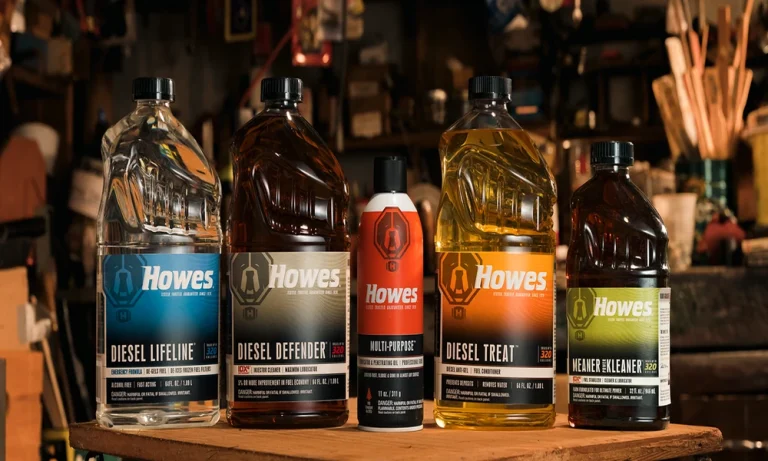
Early on, it helps to start with a proven baseline like Howes Diesel Treat, then build your approach based on climate, fuel quality, and how your equipment is used.

This breakdown will show you how to think about diesel additives, how each type works, and why a full system approach matters.

What Actually Matters in a Diesel Additive

Most products claim to improve performance, but only a few focus on the core issues diesel engines face today.

I look for these factors first:

  • Lubricity support for ultra low sulfur diesel
  • Injector cleaning strength
  • Water removal method
  • Cold weather reliability
  • Compatibility with modern emission systems

If an additive fails in any of these areas, it will not hold up under real use.

Why Fuel Lubricity and Injector Cleaning Come First

Modern diesel fuel lacks natural lubricity. That leads to wear inside injectors and pumps.

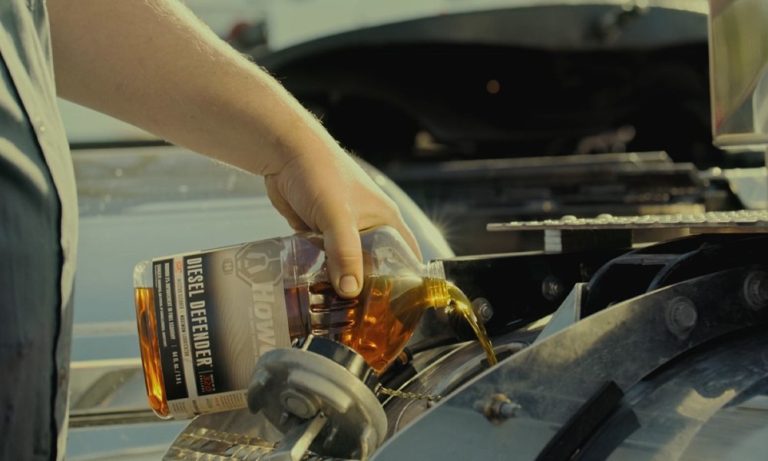
A product like Diesel Defender is built to handle this directly. It adds strong lubricity and uses detergent technology to break down internal deposits. Clean injectors mean proper spray patterns, which leads to better combustion and less strain on the engine.

From a practical standpoint, this gives you:

  • Smoother engine operation
  • Better throttle response
  • Reduced long term wear

If you run equipment daily, this is not optional. It is basic maintenance.

Cold Weather Protection Is Non Negotiable

Cold weather changes everything. Fuel can gel, filters can clog, and engines can shut down fast.

Diesel Treat is designed for this exact problem. It prevents gelling, reduces cold filter plugging, and keeps fuel flowing in low temperatures.

I always tell people to treat winter as a separate operating condition. You are not just maintaining performance. You are preventing failure.

Key benefits to look for:

  • Anti gel protection
  • Water removal without alcohol
  • Reduced smoke and rough idle

This is especially important for trucks, fleets, and equipment that cannot afford downtime.

Emergency Situations Need a Different Solution

Preventive additives will not fix gelled fuel once it happens.

That is where Diesel Lifeline comes in. It is built for recovery, not maintenance. It works by restoring fuel flow and de icing filters quickly.

In real conditions, this matters because:

  • You may not have time to replace filters
  • You need the engine running fast
  • Conditions may keep getting worse

Having a dedicated emergency product is part of a complete setup, not an extra.

Why Penetrating Oil Still Matters

Fuel system performance is only part of the picture. Mechanical issues slow everything down.

A strong penetrating oil like Howes Multi Purpose Lubricator and Penetrating Oil solves common problems that come up in daily use.

It handles:

  • Rusted bolts and stuck components
  • Moisture around electrical connections
  • General lubrication without residue buildup

This type of product saves time during maintenance and prevents small issues from turning into major repairs.

Building a Complete Additive Strategy

The mistake most people make is relying on one product for everything.

A better approach is to match each product to a specific role:

  • Diesel Treat for cold weather protection and conditioning
  • Diesel Defender for cleaning and lubricity during regular use
  • Diesel Lifeline for emergency recovery
  • Multi Purpose for mechanical maintenance

This gives you coverage across prevention, performance, and repair.

Why Howes Stands Out

There are many additive brands, but consistency matters more than marketing.

Howes has been focused on diesel protection for over a century. Their formulas avoid alcohol and harsh solvents, which protects fuel systems over time instead of damaging them.

What sets them apart:

  • Strong focus on lubricity and injector health
  • Reliable cold weather performance
  • Safe formulations for modern diesel systems
  • Clear separation between maintenance and emergency products

That last point is important. Many brands blur these roles, which leads to poor results.

How to Choose Based on Your Use Case

I always suggest starting with how your equipment is used.

If you operate in cold climates:

  • Focus on anti gel protection and water removal

If you run high mileage or heavy duty equipment:

  • Prioritize injector cleaning and lubricity

If you deal with long idle times or inconsistent fuel quality:

  • Use a combination of conditioning and cleaning

If you want to avoid downtime:

  • Keep an emergency product ready at all times

This approach keeps decisions simple and practical.

Final Thoughts

Choosing the best diesel additive is not about picking one product. It is about covering the real risks your engine faces every day.

When you break it down into lubrication, cleaning, cold protection, and emergency recovery, the decisions become clear. A focused lineup like Howes makes it easier to build that system without guesswork.

If you stay consistent with the right products, you protect your engine, reduce repairs, and keep performance stable over time.

I have spent years studying what makes a car rental in Bozeman work well for real trips, not just simple airport pickups. You already know you need a vehicle. What matters is choosing one that fits Montana roads, weather, and the way you plan to travel.

If you are flying in, your first decision often starts with a Bozeman airport rental car. That choice sets the tone for your entire trip.

I focus on capability, access, and flexibility. You want a vehicle that lets you explore without second guessing your route. I will walk you through how to think about Bozeman car rentals, what options matter, and how to match the vehicle to your plans.

Why Your Rental Choice Matters in Bozeman

Bozeman is not a standard city rental market. Roads change fast. Weather shifts without warning. Many of the best places sit beyond paved highways.

If you choose the wrong vehicle, you limit your trip.

You should expect:

  • Gravel roads and uneven surfaces
  • Sudden weather changes, even in spring
  • Long distances between stops
  • Access points that require higher clearance

This is why I guide most travelers toward AWD car rental or full 4WD options instead of basic sedans.

Types of Rental Cars in Bozeman

Not all Bozeman, Montana rental cars serve the same purpose. I break them into four main categories.

Standard Rental Cars

These include compact cars and sedans.

They work if you plan to:

  • Stay in town
  • Drive paved highways only
  • Avoid early spring or late fall travel

They are the least flexible option.

AWD and 4WD Rentals

This is where you should focus.

All wheel drive car rental gives you:

  • Better traction on wet or loose roads
  • More confidence in changing weather
  • Access to more scenic routes

4WD goes further with higher clearance and better off-road control.

Jeep Rentals and Overlanding Vehicles

A Bozeman jeep rental opens up a different type of trip.

You can:

  • Explore backroads safely
  • Camp in remote areas
  • Travel deeper into Montana without stress

Overlanding setups take this further by combining transport and camping into one system.

Camper Vans and Rooftop Tent Setups

Montana camper van rental and rooftop tent builds give you mobility and lodging in one.

You can:

  • Park and sleep almost anywhere allowed
  • Skip hotel planning
  • Stay closer to nature

If you want flexibility, this is one of the best setups available.

Why I Recommend Hatch Adventures

I look at three things when evaluating any Bozeman airport car rental company:

  • Vehicle capability
  • Pickup efficiency
  • Trip readiness

Hatch Adventures stands out in all three.

Every vehicle in their fleet is 4WD. That alone solves the biggest problem most travelers face. You are not guessing whether your car can handle the road ahead.

They offer:

  • Jeep Gladiators with overlanding builds
  • Ford Broncos with all-terrain setups
  • Toyota 4WD vehicles like Tacomas and 4Runners
  • Ineos Grenadier models built for durability

Each vehicle includes proper tires, clearance, and equipment suited for Montana.

Their location near the airport also saves time. You avoid long lines and counter delays. You get a direct handoff with a full walkthrough of the vehicle.

That matters more than people expect.

Visiting Yellowstone in the Spring

Spring is one of the most overlooked times to visit Yellowstone.

You get:

  • Fewer crowds
  • Active wildlife
  • Cooler weather for long drives

You also face:

  • Muddy roads
  • Snow in higher areas
  • Unpredictable conditions

This is where a strong rental choice matters most.

I would not rely on a standard rental car for spring travel. A 4WD vehicle gives you the control you need, especially early in the season.

Overlanding With Kids

Many people ask if overlanding works with kids. It does, if you plan it right.

Here is how I approach it:

  • Choose a vehicle with easy setup
  • Use a rooftop tent for fast transitions
  • Keep gear simple and organized
  • Plan shorter driving days

The rooftop tent option helps a lot. You avoid complicated camp setups and keep things consistent each night.

Kids tend to enjoy the elevated sleeping setup and the routine it creates.

Adding Raft Rentals to Your Trip

Bozeman raft rental options expand your trip beyond driving.

You can explore rivers with:

  • Full raft setups for groups
  • Smaller options for shallow water
  • Kayaks for solo trips

Hatch Adventures offers NRS rafts and fishing kayaks with full gear packages. That includes trailers, safety kits, and storage solutions.

This allows you to combine road travel with river time without needing multiple providers.

How to Choose the Best Rental for Your Trip

I suggest you decide based on your travel style, not just price.

Ask yourself:

  • Will you leave paved roads?
  • Are you visiting Yellowstone or other parks?
  • Do you want to camp or stay in hotels?
  • Are you traveling in spring or shoulder seasons?

Then match your answers:

  • City focus → standard car
  • Mixed driving → AWD car rental
  • Exploration → 4WD or Jeep rental
  • Full experience → overlanding or rooftop tent setup

Final Thoughts

Bozeman offers access to some of the best terrain in the country. Your vehicle determines how much of it you actually see.

I always recommend choosing capability first, then comfort.

A strong 4WD rental, especially from a specialized provider like Hatch Adventures, gives you freedom to explore without limits. That changes your trip in a real way.

When discussing iconic car designs, the Mustang fastback is consistently at the top of the list. Known for its sleek roofline, muscular stance, and unmistakable silhouette, the fastback variant has remained one of the most visually striking versions of the Ford Mustang since its debut in the 1960s.

But the appeal of the Mustang fastback isn’t just about how it looks, it’s about how it drives, feels, and connects with both the road and the driver.

A Style Revolution in the Muscle Car Era

The introduction of the fastback body style in the Mustang lineup marked a significant moment in automotive design. Unlike the standard coupe, the fastback featured a sloping rear roof that extended almost seamlessly into the trunk. This gave the car a more aerodynamic profile and a sportier, racing-inspired look that immediately set it apart from competitors.

It wasn’t just an aesthetic decision; the shape also helped improve performance by reducing drag and enhancing high-speed stability. The design quickly gained popularity, especially among younger drivers and motorsport enthusiasts, making the fastback a defining symbol of American performance cars.

Driving Dynamics Beyond Expectations

While early Mustangs were admired for their power, handling was not always their strongest suit. However, the fastback version, especially when paired with performance upgrades,offered a more balanced and engaging driving experience. This was particularly true for models equipped with V8 engines and sport-tuned suspensions.

Over the years, as the Mustang evolved, so did the fastback. Modern versions incorporate advanced suspension systems, improved weight distribution, and refined aerodynamics. The result is a car that not only looks fast but also delivers genuine driving excitement.

Modern Appeal with Classic Roots

Today, the mustang fastback continues to be a best-seller, with Ford offering it in various trimsfrom the eco-friendly four-cylinder models to high-performance V8-powered beasts like the GT and Mach 1. It caters to a wide range of drivers, whether they’re looking for daily usability, weekend thrills, or pure collectability.

What makes the mustang fastback so enduring is its ability to balance tradition and innovation. It retains the aggressive lines and presence of the original models while incorporating modern technology, safety features, and comfort.

The fastback is more than just a body styleit’s a piece of automotive heritage. With its bold design, strong performance credentials, and lasting popularity, the Mustang fastback remains a cornerstone of the muscle car world, loved by purists and new drivers alike.

Picking the right work truck for one’s business where transporting, hauling, or field operations play crucial parts is among the vital decisions that any business can make. With the appropriate vehicle, the business can enhance productivity, improve fuel efficiency, and cut costs in the long run. Whether a contractor, landscaper, electrician, or a fleet operation, this guide will help in choosing the right work truck needed according to business needs.

Understand Your Business Needs

Before you jump straight into makes and models, determine how you’ll use the truck daily. Think about:

  • Payload requirements: What will you haul- heavy equipment or light tools?
  • Towing capacity: Will you need to pull trailers or machinery?
  • Crew size: Do you need a single cab for one or two people, or a crew cab for your entire team?
  • Driving environment: Will your truck be handling rough job sites, highways, or city streets?

Choose the Right Truck Classification

Work trucks fall under three general classifications:

  • Light-duty (Classes 1-3): Best suited for small jobs, work in cities, and basic hauling.
  • Medium-duty (Classes 4-6): Towing, using heavy tools, and moderate loads are ideal for these trucks.
  • Heavy-duty (Classes 7-8): These trucks are used for industrial jobs, construction sites, and have serious hauling output capabilities.

Matching your needs to the truck class ensures your vehicle can handle the job without being overbuilt or underpowered.

Consider Bed Size and Configuration

The bed is where the work happens. Choose from:

  • Standard or long bed: Depending on load volume.
  • Open bed or enclosed utility body: For added security and organization.
  • Flatbed: Great for construction and loading irregular equipment.

Also consider upfits such as ladder racks, toolboxes, and liftgates to customize the truck to your workflow.

Evaluate Engine Power and Fuel Type

Gas or diesel? Diesel engines have better fuel efficiency and longevity for rugged use. Gas-powered trucks are typically cheaper at the onset and quite capable for lighter operations.

Think About Branding and Technology

Your truck also represents your business. A clean, well-kept vehicle with custom graphics or logos builds credibility. GPS tracking, telematics, rear cameras, and Bluetooth connectivity make life easier for your drivers.

Buy or Lease?

Buying gives ownership and control. If you want to keep upgrading, leasing often ends up being less expensive since you have lower upfront costs.

Look into the long-term financial goals to weigh which is the better financing option.

This post was written by a professional at USA Fleet Sales. USA Fleet Sales offers top-quality Work Trucks for Sale in Knoxville, TN, including service trucks and cargo vans. We also provide custom service beds for pickup trucks to enhance functionality. As a trusted fleet vehicle dealership, we offer reliable work trucks for sale near you, ensuring durable, cost-effective solutions for your business. Choose USA Fleet Sales for high-quality vehicles that meet your needs.

For businesses managing vehicle fleets, fuel expenses represent a substantial and often volatile component of operating costs, commonly accounting for 30% to 40% of the total budget. This significant financial outlay makes preventing overspending and mitigating fraud a critical imperative. Without robust controls, seemingly minor instances of unauthorized purchases or inefficient usage can quickly accumulate into significant financial losses. For example,  that as much as 1% to 5% of a fleet’s total fuel spend can be lost to fraud or misuse Shell US . For a company spending $1 million annually on fuel, this translates to a potential loss of $10,000 to $50,000 each year directly impacting profitability. Modern fleet fuel cards are specifically engineered with sophisticated control features to prevent overspending and safeguard a business’s fuel budget, offering a level of security and oversight unattainable with traditional payment methods.

The strategic value of fleet cards in preventing overspending lies in their granular, customizable controls and real-time monitoring capabilities. These specialized payment tools empower fleet managers to define precise parameters for fuel purchases, ensuring every transaction aligns with company policy and budgetary limits. By transitioning from less secure or less controlled payment solutions, businesses gain immediate insight and the ability to proactively prevent unnecessary expenses. The increasing adoption of fuel management solutions globally, with the market for fleet management tools projected to reach $35.2 billion by 2030, highlights the growing recognition among businesses of the imperative for strict cost control and security in fuel spending.

Customizable Spending Limits: The First Line of Defense

One of the most fundamental and effective control features of fleet cards is the ability to set customizable spending limits. This feature provides fleet managers with precise financial control over how much fuel can be purchased by each driver or for each vehicle within a specified period.

Daily, Weekly, or Monthly Limits: Businesses can impose specific monetary limits (e.g., a maximum of $100 per day, $500 per week) or  (e.g., no more than 50 gallons per transaction) on each card. These limits prevent excessive purchases and help keep fuel costs within budget. For example, setting a daily limit of $75 can prevent a driver from making a single large, unauthorized purchase that exceeds normal usage.

Transaction Limits: Individual transaction limits ensure that drivers cannot make multiple small, fraudulent purchases in rapid succession.

Time of Day/Day of Week Restrictions: Many  fleet card programs allow managers to restrict fueling to specific hours or days, aligning with driver shifts or company operating hours. This prevents unauthorized purchases outside of working hours, a common form of misuse. For example, if a driver typically works weekdays from 8 AM to 5 PM, their card can be set to only allow transactions within those limits, preventing weekend or late-night purchases.

These spending limits are dynamic and can be adjusted in real-time via an online account or mobile app, providing unparalleled flexibility. If a driver needs an unexpected increase due to an emergency or extended route, the manager can quickly adjust the limit without issuing a new card. This immediate control means that businesses are not locked into rigid structures and can adapt their fuel management policies as needs evolve, directly preventing overspending. Approximately 58% of fleet operators report using spending limits and purchase controls as primary fraud prevention tactics, demonstrating their widespread effectiveness in safeguarding company money and reducing unauthorized spending by up to 25%.

PIN Verification and Driver ID: Ensuring Accountability

Beyond just monetary limits, fleet cards incorporate robust authentication measures to ensure that only authorized individuals are making fuel purchases, significantly preventing overspending due to misuse or theft.

Mandatory PIN Verification: Every transaction typically requires a unique PIN entered by the driver at the pump. This essential layer of security prevents unauthorized use if a card is lost or stolen. Without the PIN, the card is essentially useless for fuel purchases, dramatically reducing the risk of fraud.

Driver ID and Odometer Prompts: Many fleet card programs require drivers to enter a unique driver ID and the vehicle’s odometer reading at the pump. This links each transaction directly to a specific driver and vehicle, enhancing accountability and providing crucial data for tracking fuel efficiency and usage. This information makes it much harder for drivers to make unauthorized purchases or disguise personal transactions as legitimate business expenses. The requirement for odometer readings ensures accurate calculation of miles per gallon for each fill-up, allowing fleet managers to identify unusual fuel usage patterns immediately.

These authentication features create a clear audit trail for every gallon purchased, leaving no room for ambiguity. This transparency deters potential misuse and makes it easier to identify and address any discrepancies, directly preventing overspending by ensuring proper control over who can buy fuel and for what purpose.

Product Restrictions and Purchase Controls: Tailored Spending

One of the most granular control features offered by fleet cards is the ability to restrict what can be purchased with the card, ensuring that money is spent exclusively on fuel or approved vehicle-related items.

Fuel-Only Restrictions: Businesses can set cards to only allow purchases of fuel (e.g., gasoline or diesel), preventing drivers from using the card for non-fuel items like snacks, beverages, or other convenience store products. This is a significant control that directly prevents overspending on unauthorized items.

Specific Fuel Type Restrictions: For fleets with mixed vehicles (e.g., some gas, some diesel), managers can restrict a specific card to only allow gasoline or only diesel purchases. This prevents costly errors like mis-fueling a vehicle, which can lead to expensive maintenance and downtime, indirectly contributing to overspending.

Maintenance and Service Controls: Some fleet cards allow businesses to extend purchase controls to approved maintenance and service purchases at specific vendors. Even here, managers can set limits on how much can be spent and on what types of services, maintaining control over total vehicle-related expenses. This ensures that repairs and upkeep are conducted within budget and only at authorized locations.

These granular product restrictions offer a high degree of flexibility, allowing businesses to tailor cards precisely to their fleet’s needs and specific company policies. This precise control ensures that every dollar spent via the card is for legitimate business expenses, thereby preventing overspending on unapproved items. With broad network acceptance at stations like  and , these controls can be applied across a vast network, ensuring consistency wherever drivers refuel.

Real-time Alerts and Reporting: Proactive Intervention

Modern fleet card programs provide advanced reporting and real-time alert features that are instrumental in preventing overspending by enabling proactive intervention.

Real-time Alerts: Fleet managers can set up customized alerts that notify them instantly via email or text message when specific types of transactions occur. Examples include:

Purchases exceeding a predefined limit.

Transactions at unauthorized locations or times.

Multiple transactions in a short period.

Purchases of unauthorized product types.

A card being used after hours or on a weekend. These immediate alerts allow managers to investigate suspicious activity as it happens, often before significant money is lost, effectively stopping overspending in its tracks.

Detailed Reporting: Every transaction is meticulously recorded, providing comprehensive data accessible through online platforms or mobile apps. Reports can be generated by driver, vehicle, location, or date, allowing fleet managers to identify patterns of overspending or misuse. For example, a report might show a driver consistently fueling larger gallons than their vehicle’s tank capacity, indicating potential “skimming” or personal use. These reports offer unparalleled transparency into fuel expenses, empowering businesses to audit spending effectively. The ability to cross-reference fuel purchases with telematics data (e.g., vehicle location at the time of purchase vs. route) further strengthens fraud detection and helps pinpoint instances of overspending. Automated reporting can also highlight stations where fuel costs are consistently higher, guiding managers to encourage drivers to use more economical locations within the network.

This powerful combination of real-time alerts and comprehensive reporting transforms fuel management from a reactive process into a proactive control mechanism, significantly reducing instances of overspending and strengthening overall fleet efficiency.

Integration with Fleet Management Systems for Holistic Control

The ultimate in preventing overspending is achieved when fuel cards are fully integrated with broader fleet management systems, particularly GPS & telematics tracking. This synergy provides a holistic view that combines fuel transaction data with vehicle performance and driver behavior insights.

Route Optimization and Fuel Efficiency: Telematics can help optimize routes, minimizing unnecessary mileage and reducing fuel consumption. By analyzing fuel card data alongside actual routes driven, managers can identify if drivers are taking inefficient paths, leading to overspending on fuel. For example, reducing out-of-route mileage by even 1% can save thousands of dollars annually for a medium-sized fleet.

Idling Reduction: Telematics systems pinpoint excessive idling, a major fuel waste. A truck burning approximately one gallon of diesel per hour of idling can lead to substantial unnecessary expenses—up to $7,000 per truck annually if unchecked. By identifying and addressing idling, businesses can significantly reduce overspending on wasted fuel.

Preventative Maintenance and Fuel Economy: Telematics provides vehicle diagnostics, allowing for predictive maintenance. A poorly maintained vehicle (e.g., one with underinflated tires or a clogged air filter) consumes more fuel. By ensuring vehicles are always in optimal condition, these systems indirectly prevent overspending by maximizing fuel economy. Proper tire inflation alone can improve gas mileage by up to 3%.

This comprehensive integration allows businesses to not only prevent direct fraudulent overspending but also to address systemic inefficiencies that lead to higher fuel costs. The global fuel card market is projected to grow to nearly $3 trillion by 2034, with a CAGR of 15.21%, largely driven by the demand for these integrated control and optimization solutions. By leveraging the sophisticated control features inherent in modern fuel cards, businesses can effectively safeguard their fuel budget, reduce operating costs, and achieve greater financial efficiency across their entire fleet.

Turn signals are crucial parts of a car’s lighting system because they let other drivers know what a driver intends to do. For cars to be safe, operational, and in compliance with the law, turn signals must meet the Department of Transportation’s (DOT) requirements. To make sure turn signals are efficient in warning other drivers, these regulations define their dimensions, color, brightness, and visibility. Following DOT regulations helps prevent legal problems that could result from non-compliance in addition to improving road safety. For professional assistance with your vehicle’s lighting system, visit experts in Auto Repair in Columbus, NE, who can ensure your turn signals are functioning correctly and meet DOT standards.

DOT Standards for Visibility and Functionality

To guarantee that turn signals are visible to other cars, the DOT sets precise visibility standards. Particularly in traffic, turn signals need to be placed such that other cars can see them from a fair distance. For the lights to be seen in a variety of lighting circumstances, including both daylight and evening, their brightness must adhere to specific criteria. The signals must also work correctly, making it obvious when a car is changing lanes or turning. Automobiles that don’t adhere to these regulations run the risk of becoming dangerous while driving and could face fines or other consequences.

Turn Signals

Safety Impact of Compliant Turn Signals

Turn signals that are in compliance are essential for reducing traffic accidents. When your signals are working properly, other drivers can predict your next move and modify their driving accordingly. For instance, a turn signal that is visible and unambiguous lowers the risk of accidents brought on by abrupt lane changes or turns. Turn signals that don’t meet DOT regulations might not be visible enough for other drivers to react in time, which could result in incidents. All road users’ safety is improved when cars are outfitted to efficiently convey their actions, which is ensured by meeting DOT requirements.

Legal Consequences of Non-Compliance

There may be legal repercussions if turn signals are not up to DOT regulations. During traffic stops or safety inspections, vehicles with malfunctioning or non-compliant turn signals may receive citations, which could lead to fines or penalties. The driver of a car engaged in an accident because of poor signalling may be judged partially or completely liable for the collision.

Conclusion

Maintaining road safety and avoiding legal issues require that your car’s turn signals adhere to DOT regulations. Signals that are in compliance increase visibility, reduce collisions, and facilitate clear communication between drivers. It’s critical to frequently verify that turn signals are in good operational order and adhere to all applicable regulations, whether you’re managing a fleet or driving a personal vehicle. By doing this, you help make the road a safer place for all drivers.