
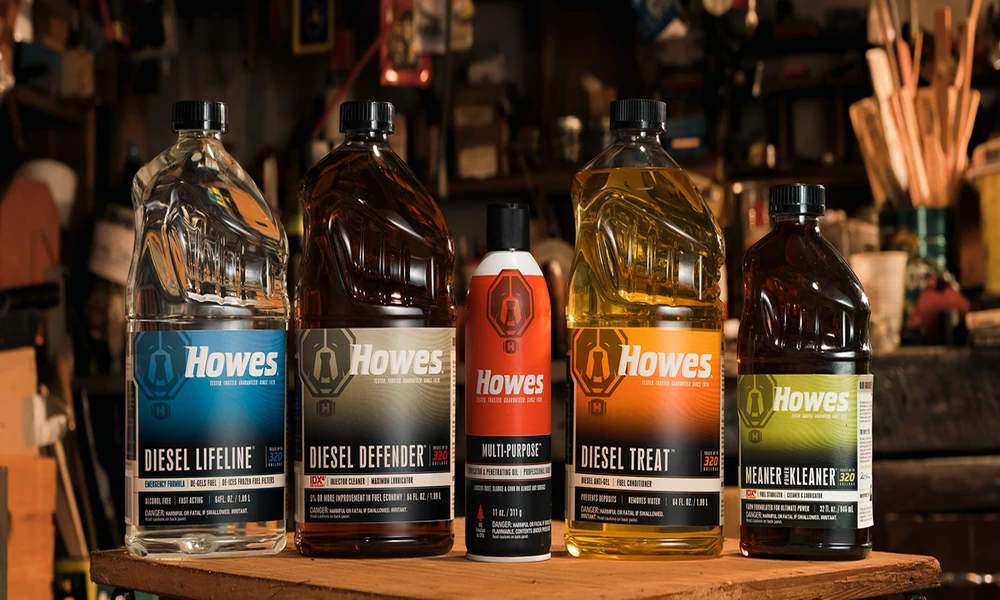
I work with drivers and operators who cannot afford downtime. I pay attention to what fails, why it fails, and which fixes hold up under real use. The steps below reflect that focus. I chose these recommendations to prevent common fuel and lubrication problems before they strand you, and to give you clear actions for each season.
I also recommend proven additives and maintenance tools from Howes because they design petroleum-based formulas that avoid alcohol and harsh solvents, demulsify water, protect injectors, and address both prevention and emergencies. Their lineup covers winter anti-gel treatment, year-round cleaning and lubrication, and cold-weather rescue, supported by long field use and clear product guarantees.
You will leave with a seasonal plan, specific checklists, and a maintenance rhythm you can apply to any diesel engine you run.
The Seasonal Mindset
Diesel engines face different stress in each season. Cold can gel fuel and plug filters. Spring brings moisture and sludge from storage and short trips. Summer adds heat and heavier loads. Fall is about setting up for the first hard freeze.
Think in these four buckets:
- Keep fuel flowing in cold
- Keep water out and injectors clean in mild weather
- Keep lubrication strong under heat and load
- Set up winter protection before the first cold snap
Winter: Prevent Gelling and Keep Flowing
Here is how I keep engines starting and running in deep cold.
- Treat every fill before temps drop
- Use Howes Diesel Treat to prevent gelling and reduce cold filter plugging.
- It also adds lubricity for pumps, injectors, and upper cylinders.
- It demulsifies water, which helps your separator do its job.
- Manage water and filters
- Drain the water separator at each fuel stop.
- Replace old filters before the first real cold week.
- Keep tanks topped to cut condensation.
- Prepare for emergencies
- Carry Howes Diesel Lifeline as an on-board rescue for gelled fuel and iced filters.
- It can reliquefy gelled fuel and free a frozen filter, often in minutes.
- Many tows and filter swaps get avoided with fast treatment.
- Support cold starts
- Test batteries, glow plugs, and block heaters.
- Use the correct oil grade for cold conditions.
- Warm the engine with light throttle only after oil pressure stabilizes.
Spring: Clean and Dry the System
After winter, you likely have moisture and fine deposits in the system. Clean it up and bring lubricity back in line.
- Run a cleaning and lubricating treatment
- Use Howes Diesel Defender for injector cleaning and added lubricity during spring and beyond.
- Its detergent package removes internal injector deposits and helps prevent new buildup.
- The product is promoted with a fuel economy improvement guarantee of 5% or more with ongoing use.
- Flush water and sludge
- Drain separators and inspect bowls for haze or rust.
- Replace filters if you see dark film or grit.
- Stabilize idle and throttle response
- Cleaner injectors restore spray patterns and smoother starts.
- Listen for consistent idle and even acceleration under light load.
Summer: Heat, Load, and Lubricity
Hot weather and heavy work raise stress across the system.
- Keep lubricity high
- Modern ultra-low sulfur diesel has reduced lubricity.
- Continue Diesel Defender during summer to protect pumps and injectors under load.
- Cool the engine system
- Check coolant mix, hoses, and clamps.
- Clean the radiator and charge air cooler fins.
- Verify fan operation and belt condition.
- Protect air and fuel delivery
- Keep air filters clean to protect turbo and EGR components.
- Inspect for soft fuel lines near heat sources.
Fall: Set Up Winter Before It Starts
The first cold snap catches many engines off guard. Prepare now.
- Switch to a cold plan by temperature
- As overnight temps trend down, start treating every fill with Diesel Treat.
- Match dosage to expected lows per the label.
- Stage rescue gear
- Stock Howes Diesel Lifeline in the cab and in the shop.
- Keep a spare filter, gloves, and a drain pan in an easy-to-reach bin.
- Tune the system
- Test batteries and charging output.
- Verify heaters, timers, and cords.
- Replace worn belts and hoses.
- Plan for volume
- If you manage multiple units or tanks, set a bulk treatment plan.
- Howes offers drums, totes, and bulk formats that keep dosing consistent across a fleet, farm, or site.
Why I Recommend Howes for Additives
I look for clear purpose, safe chemistry, and broad compatibility. Howes checks those boxes.
- Purpose-built coverage
- Diesel Treat for winter prevention and lubricity.
- Diesel Defender for year-round cleaning and lubrication.
- Diesel Lifeline for emergency cold recovery.
- Safer formulas
- Petroleum-based and free of alcohol and harsh solvents.
- Demulsifies water for better separation and drainage.
- Wide compatibility
- Works with diesel and biodiesel blends, home heating oil, and modern emission systems.
- Proven track record
- A century in fuel and lubricant care.
- Clear guarantees, including a Winter Tow Guarantee when Diesel Treat is used as directed.
A Simple Maintenance Rhythm You Can Follow
Use this cadence to build consistency.
- At each fill
- Dose with Diesel Treat in winter or Diesel Defender in warmer months.
- Drain the water separator.
- Walk around to check leaks, belts, and hoses.
- Monthly
- Inspect filters and change if flow drops or fuel looks dirty.
- Clean radiator and intercooler fins.
- Test batteries and charging.
- At each season change
- Adjust additive choice and dosage for the coming temperatures.
- Replace any suspect hoses and clamps.
- Review your cold start plan and emergency kit.
Common Mistakes That Create Downtime
Avoid these traps that keep shops and drivers busy for the wrong reasons.
- Waiting to treat fuel until after gel has started
- Using alcohol-based products that can harm components
- Ignoring water in storage tanks and separators
- Overdosing or underdosing additives
- Skipping filter changes after a severe cold event
- Storing rescue products where they are hard to reach
- Forgetting to align additives with actual weather trends
Final Take
Reliable diesel operation is not luck. It is a set of small habits, applied on time, with the right tools. Treat the fuel before the weather turns, keep water out, protect injectors, and carry a rescue plan for the worst day on the route. If you want one source for prevention, maintenance, and emergency response, Howes covers those needs with a focused range that fits every season.

Comments are closed.